• العربية
  • فارسی
Brand
  • Iran Insight
  • Politics
  • Economy
  • Analysis
  • Special Report
  • Opinion
  • Podcast
  • Iran Insight
  • Politics
  • Economy
  • Analysis
  • Special Report
  • Opinion
  • Podcast
  • Theme
  • Language
    • العربية
    • فارسی
  • Iran Insight
  • Politics
  • Economy
  • Analysis
  • Special Report
  • Opinion
  • Podcast
All rights reserved for Volant Media UK Limited
volant media logo

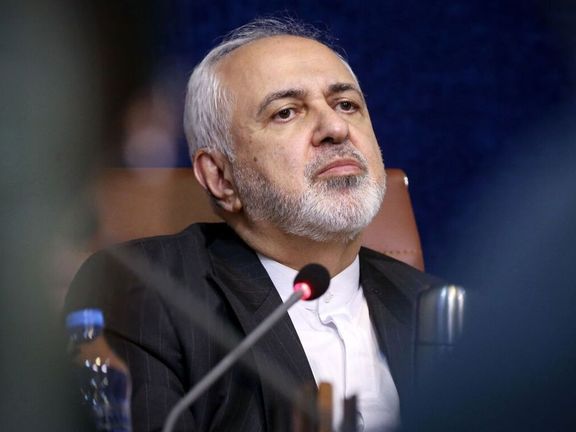
Ex-Iran FM Zarif calls for negotiated end to war, outlines possible deal
Apr 3, 2026, 13:14 GMT+1

Former Iranian foreign minister Mohammad Javad Zarif called for a negotiated end to the war in an article published on Friday in Foreign Affairs, outlining a potential deal between Iran and the United States.

He later promoted the proposal on X, writing: “As an Iranian, outraged by Donald Trump’s reckless aggression … yet proud of our armed forces … I am convinced that war must end on terms consistent with Iran’s national interests.”

In the article, Zarif said Tehran should “use its upper hand not to keep fighting but to declare victory and make a deal,” warning that continued conflict would lead to “further destruction of civilian lives and infrastructure.”

He proposed that Iran could “offer to place limits on its nuclear program and to reopen the Strait of Hormuz in exchange for an end to all sanctions,” and called for “a comprehensive peace deal” rather than a ceasefire.

Zarif also suggested a “mutual nonaggression pact” with the United States, saying the aim should be to “end 47 years of belligerence” between the two countries.

Most Viewed

Text of US-Iran memorandum released
1

Text of US-Iran memorandum released

2
ANALYSIS

Iran hardliners rage over US deal, but experts say regime is closing ranks

3

Toronto shooting probe uncovers trail leading to Tehran

4
EXCLUSIVE

Israel to help oust Iran regime, Bennett tells Iranians frustrated by US deal

5
INSIGHT

Hope, anger and distrust: Iranians debate Iran-US memorandum online

Banner
Banner
Banner

Spotlight

  • Iran markets rally on US deal hopes, but economists warn relief is no cure

    Iran markets rally on US deal hopes, but economists warn relief is no cure

  • Atlas of Iran missile cities: The hidden network behind Tehran’s missile power
    SPECIAL REPORT

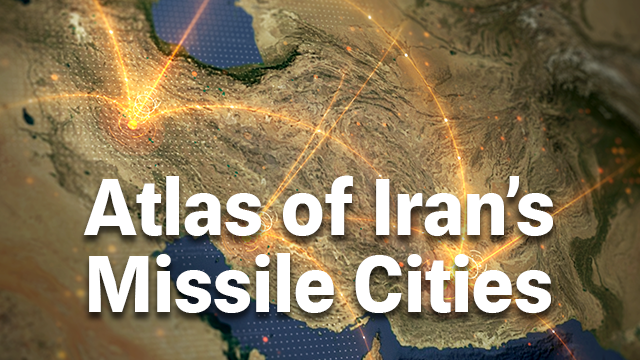
    Atlas of Iran missile cities: The hidden network behind Tehran’s missile power

  • Hope meets caution as Tehran weighs economic impact of US deal
    INSIGHT

    Hope meets caution as Tehran weighs economic impact of US deal

  • Toronto shooting probe uncovers trail leading to Tehran

    Toronto shooting probe uncovers trail leading to Tehran

  • Can Iranians cheer Team Melli without cheering the state?
    INSIGHT

    Can Iranians cheer Team Melli without cheering the state?

•
•
•

More Stories

US expelled Iran deputy UN envoy over security concerns - Axios

Apr 3, 2026, 11:56 GMT+1
US expelled Iran deputy UN envoy over security concerns - Axios
100%

The United States expelled Iran’s deputy ambassador to the United Nations last year over national security concerns, Axios reported.

The report said the State Department asked diplomat Saadat Aghajani to leave in December under a quiet internal procedure often used in sensitive cases.

It said at least two other Iranian diplomats in New York were also expelled in recent months.

The State Department confirmed it had taken action regarding Iranian personnel but did not provide details, while Iran’s UN mission declined to comment.

UN Security Council vote on Hormuz resolution removed from schedule

Apr 3, 2026, 11:47 GMT+1

A planned vote by the United Nations Security Council on a resolution on the Strait of Hormuz has been removed from the body’s schedule.

The vote, proposed by Bahrain, had been listed for Friday but no longer appears on the UN’s daily agenda.

No reason was given for the change and no new date has been announced.

Tehran cleric says support for allied groups will continue despite conflict

Apr 3, 2026, 11:35 GMT+1
Tehran cleric says support for allied groups will continue despite conflict
100%

A senior Iranian cleric said on Friday that Iran would continue backing its regional allies despite the ongoing conflict.

Mohammad Hassan Aboutorabi-Fard said the Islamic Republic’s policy was to continue its current path and support the “axis of resistance,” a term used by Iran to describe allied groups opposed to Israel and US influence in the region.

“The policy of the Islamic Republic is to continue its previous path and support the axis of resistance against enemies, and this path will continue with strength,” he said.

He added that strengthening military capabilities was aimed at deterrence, not expansion, saying the goal was to prevent adversaries from attacking Iran on land, sea or air.

Iran army commander warns US troops would be sent 'before the Stone Age'

Apr 3, 2026, 10:45 GMT+1
Iran army commander warns US troops would be sent 'before the Stone Age'
100%

An Iranian army commander warned US forces they would face severe consequences after US officials threatened to push Iran “back to the Stone Age,” state media reported on Friday.

Ali Jahanshahi said US soldiers would be sent “not to the Stone Age, but to before that,” according to Islamic Republic of Iran Broadcasting.

“The soil of Iran is the graveyard of aggressors; if you doubt it, test it,” he said, adding that army special forces were in full readiness.

French-linked container ship exits Strait of Hormuz, first since war - Bloomberg

Apr 3, 2026, 09:51 GMT+1
French-linked container ship exits Strait of Hormuz, first since war - Bloomberg
100%

A container ship linked to France has exited the Strait of Hormuz, in what appears to be the first such transit by a Western European-linked vessel since the war disrupted shipping, Bloomberg reported.

The CMA CGM Kribi sailed along the Iranian coast before emerging near Oman, according to ship-tracking data and people familiar with the matter.

Iran has tightened control over the strait since the US and Israeli strikes, allowing limited passage for selected vessels while warning others linked to its adversaries.

The waterway normally carries about a fifth of global oil and gas flows, but traffic has sharply declined since the conflict began.