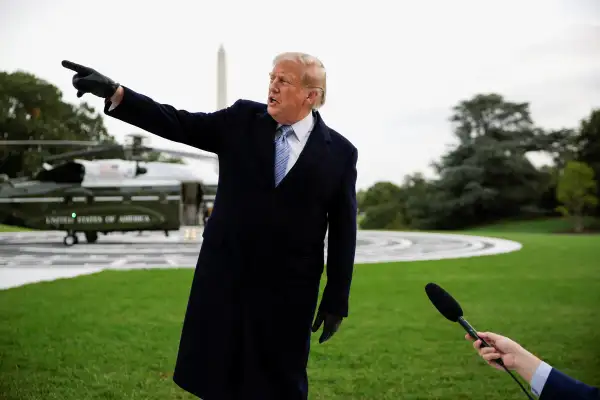
Trump may be buying time on Iran until after the midterms
President Donald Trump may be putting off a difficult choice over Iran until after the US midterm elections, a former senior US diplomat told Iran International.
President Donald Trump may be putting off a difficult choice over Iran until after the US midterm elections, a former senior US diplomat told Iran International.
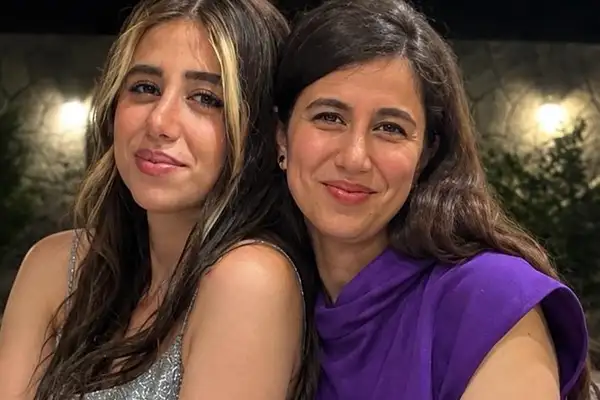
An Iranian woman sentenced to death over January’s anti-government protests is struggling to walk but has been denied hospital treatment despite a prison doctor saying she urgently needs an MRI, her family told Iran International.
US President Donald Trump this week repeated the boldest promise of the Iran war, that when Washington is "finished," Iranians should take over their government. In February the sentence stunned. On Wednesday it barely registered, and the silence is the story.
Mohsen Namjoo mocked the Quran, ridiculed religious figures and crossed political red lines that have brought severe punishment for others in Iran. Now back in the country, his return contrasts sharply with restrictions still imposed on female singers.

When eggs can hold their value better than cash, an economy has entered dangerous territory. But that is exactly where Iran is.
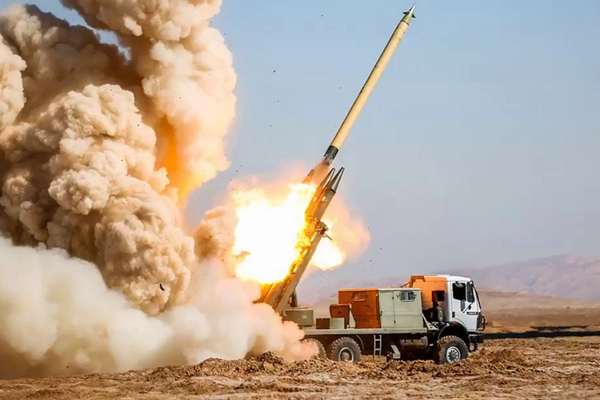
Even the possibility that Iran could put mines into one of the world’s most important shipping routes can deter commercial traffic and force the US military to maintain constant surveillance, former CENTCOM commander Joseph Votel told Iran International.
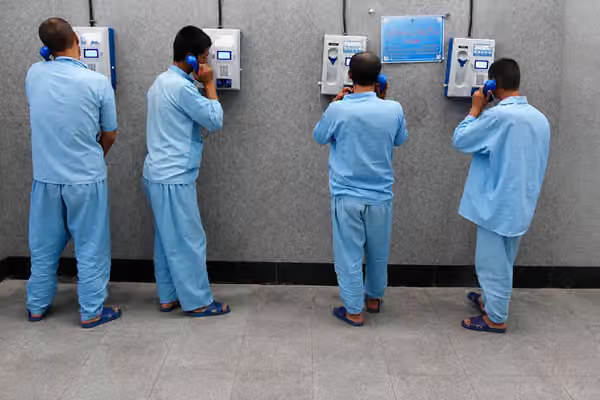
A letter expressing solidarity with Iran’s political prisoners has ignited an extraordinary ideological backlash, raising concerns among human rights advocates about how political narratives and disinformation can shape perceptions of repression in Iran.
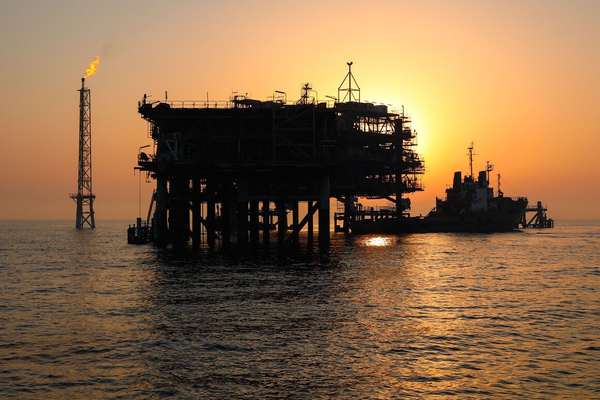
Iran’s ability to export fresh crude has fallen close to zero under the US maritime blockade, according to Kpler, just as Washington begins targeting the foreign banking networks Tehran relies on to collect the proceeds.

A 46-year-old Baha’í who devoted more than a decade to helping some of Iran’s most vulnerable children has been handed prison sentences totaling 31 years after a trial in which his family says he was denied a lawyer.
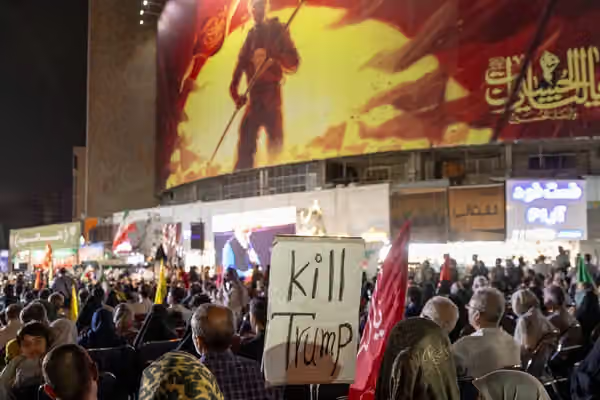
Iran’s leadership may see an end to the war as necessary under mounting US economic pressure, but that does not mean Tehran will heed Washington’s demands, experts say, warning that the pressure could instead drive it toward further escalation.
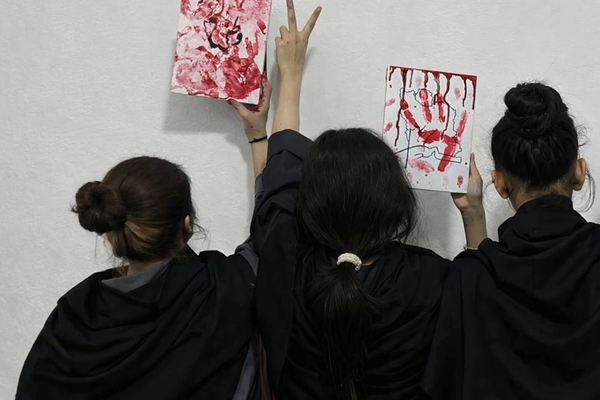
The Islamic Republic may want the world to forget what happened in January, but the bodies of those who survived make that difficult.
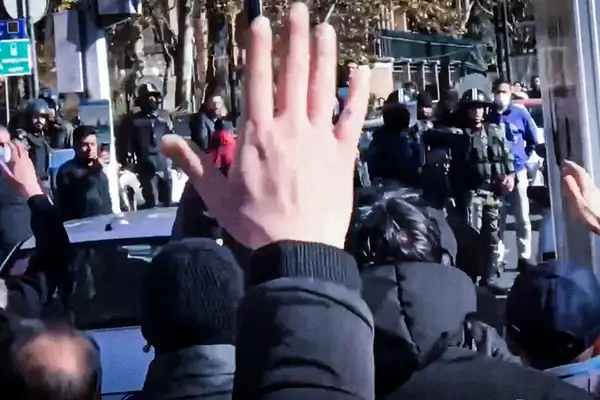
As Iran confronts military pressure abroad and mounting economic strain at home, signs are emerging that the Islamic Republic is increasingly turning its attention to another potential threat: renewed unrest on its own streets.
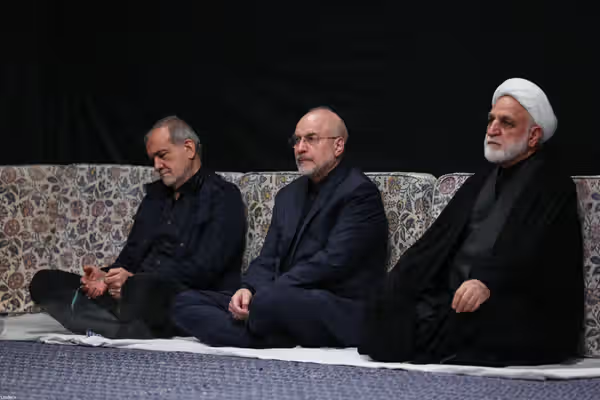
Ending the Iran war could expose the Islamic Republic to one of its greatest vulnerabilities, experts say, as Tehran confronts a battered post-war economy that may strain its ability to finance the institutions underpinning its rule.
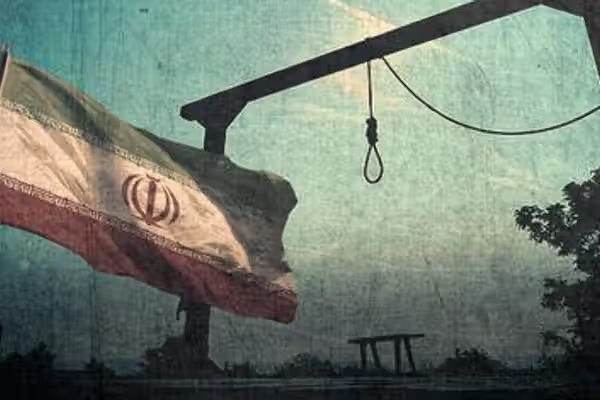
Iran's latest wave of public hangings of protesters amounts to "killings" and "murders" that form part of a continuing crime against humanity, former United Nations prosecutor Professor Payam Akhavan told Iran International's Eye for Iran.

President Donald Trump's repeated vow to "finish the job" in Iran appears to extend well beyond Tehran's nuclear program, according to experts, pointing instead to a broader plan to permanently weaken its military power, regional reach, and potentially its hold on power.
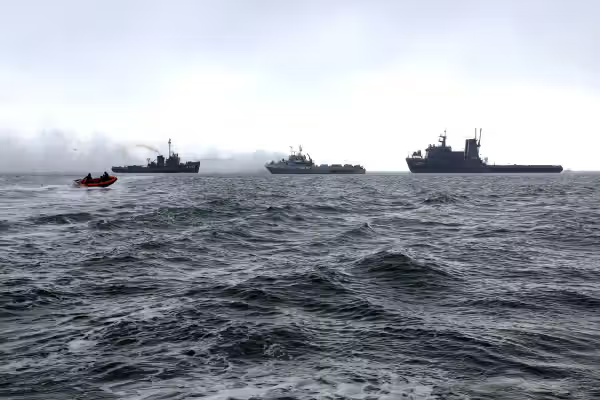
A Ukrainian strike that killed a sailor aboard an Iranian vessel in the Caspian Sea has drawn a vow of retaliation from Tehran and warnings that two wars, fought until now a continent apart, are beginning to converge into a single theater.
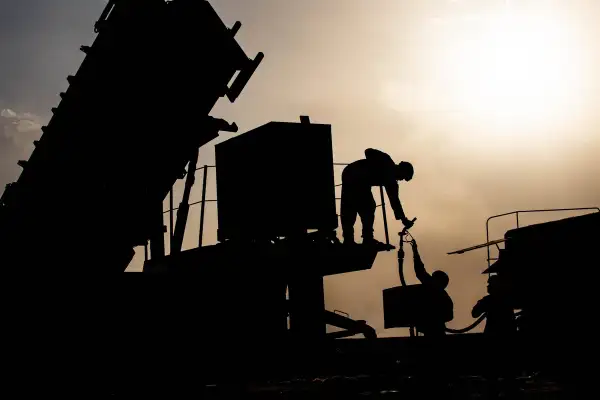
For the first time in nearly two weeks, Iran passed two nights without new US strikes, creating the first real pause in a campaign that appears to have evolved well beyond protecting shipping through the Strait of Hormuz.
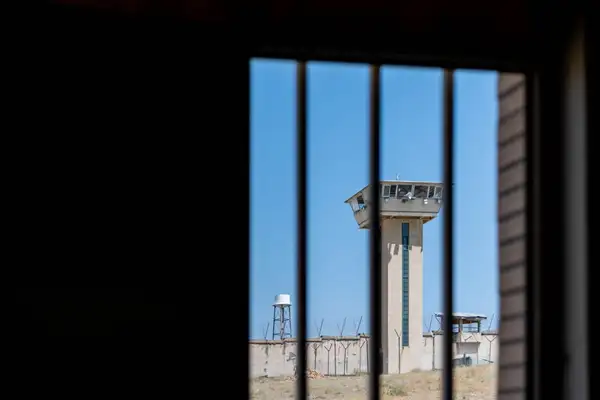
As international attention remains fixed on the Iran-US war and regional escalation, human rights advocates say Tehran is intensifying another campaign largely outside the global spotlight: the execution of protesters and political prisoners.
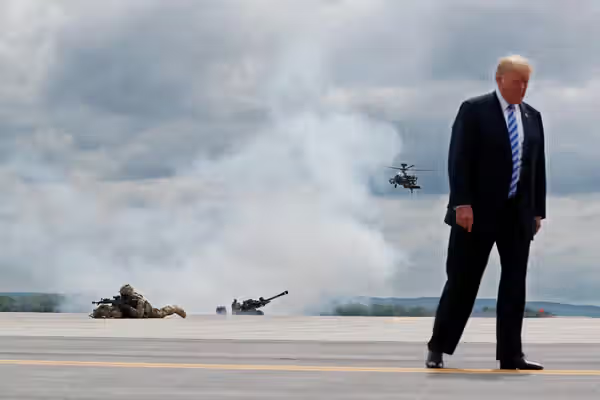
The latest US strikes on southern Iran may offer the clearest indication yet of how Washington's campaign around the Strait of Hormuz is evolving from retaliation to the systematic degradation of Iran's military infrastructure.
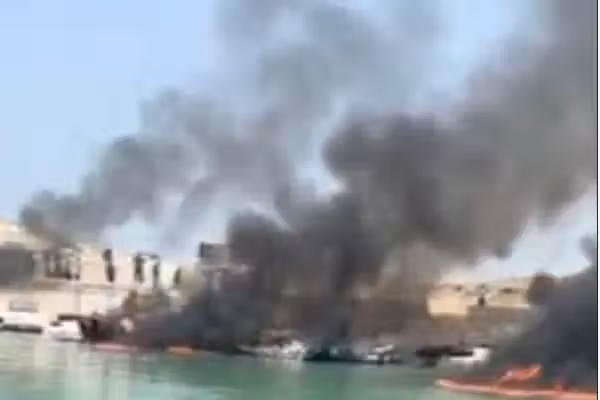
Less than three weeks after Washington and Tehran began implementing a 60-day memorandum, the ceasefire is broken, commercial ships have again come under attack in the Strait of Hormuz, and US forces have struck Iran. Yet the two sides are still talking.
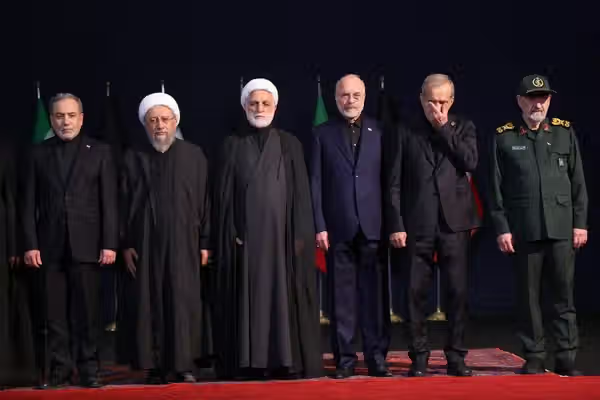
The Iran-US truce has exposed a deeper battle inside Tehran, where public rifts over censorship, negotiations and the system’s future point to a survival debate that could reshape or further destabilize the regime, experts told the Eye for Iran podcast.
The new US-Iran memorandum of understanding marks a fundamental shift in Washington's approach to Tehran, replacing years of "maximum pressure" with an effort to use economic incentives to secure nuclear concessions, experts told Iran International.