'Nothing is over': Iran-Israel conflict enters a new phase
Iran and Israel have paused direct attacks, but Tehran's latest warning suggests the conflict may be evolving rather than ending.

Iran and Israel have paused direct attacks, but Tehran's latest warning suggests the conflict may be evolving rather than ending.

The Trump administration's sanctions on Iran's largest cryptocurrency exchange mark an escalation in Washington's effort to disrupt the financial infrastructure Tehran uses to operate outside the formal banking system.
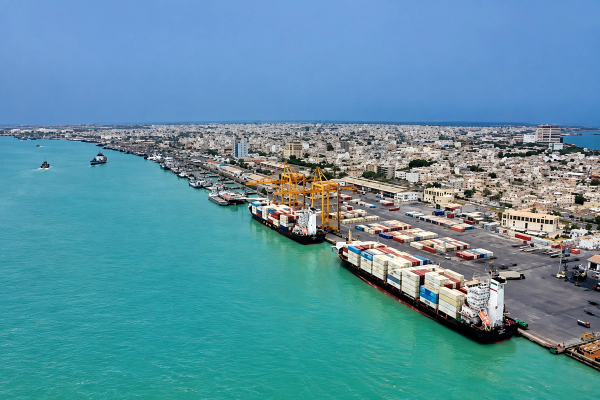
Iran's imports of services surged to a record $25.5 billion in 2025 while merchandise imports fell sharply, according to newly released data from the Central Bank of Iran, highlighting a significant shift in the country's trade structure.
By suspending talks with Washington over Israel's campaign in Lebanon, Tehran has raised the stakes of postwar diplomacy and posed a critical question: is it successfully increasing its leverage, or overplaying its hand?

Iran’s conservative establishment appears to be pushing back against its own ultra-radical fringe after a hardline lawmaker accused President Masoud Pezeshkian of bypassing the Supreme Leader over the April ceasefire with the United States.

As US economic pressure, staggering inflation and negative growth converge, economists warn that Iran faces an increasingly bleak outlook that could push millions more people below the poverty line.

Iran may be moving beyond temporary internet blackouts toward something more durable: a Chinese-style system of digital control.

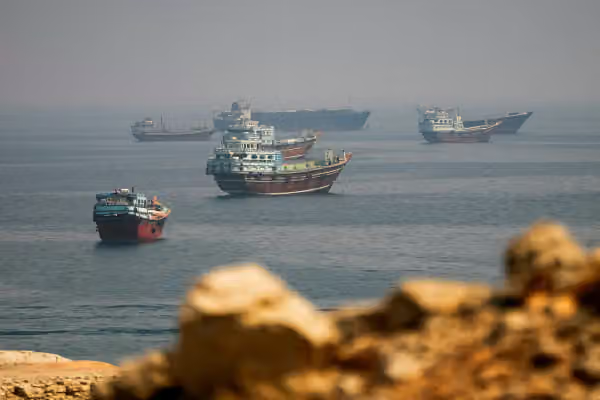
More than six weeks after Iran disrupted shipping through the Strait of Hormuz and the United States moved to enforce a naval blockade, the confrontation increasingly appears to be entering a new phase: negotiations driven by exhaustion.

The internet was once seen in Iran as a gateway to the outside world, but it is increasingly being reshaped into something narrower and more conditional: a privilege that can be restricted, filtered or priced at will.

Pakistani top general Asim Munir’s trip to Tehran has fueled speculation about a possible temporary Iran-US agreement to end the war and resume broader talks, although Tehran says the high-profile visit does not necessarily mean a deal is close.

Iran’s worsening gasoline shortage is becoming a test of whether Tehran can still sustain basic economic stability under war conditions.

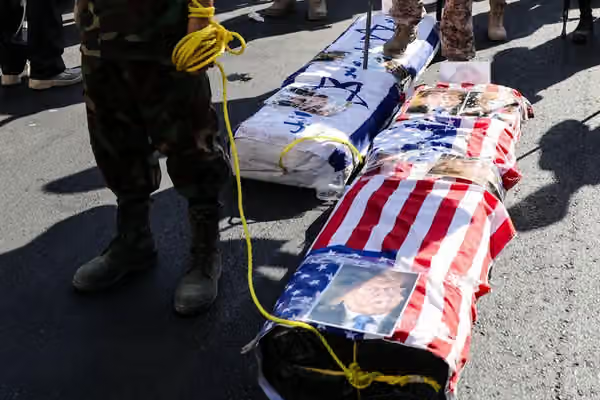
Even as Tehran engages in hardheaded diplomatic maneuvering with Washington, it is advancing a parliamentary proposal offering a €50 million reward for President Trump’s killing.

After an 80-day shutdown, the Tehran Stock Exchange reopened on Tuesday under heavy state controls, with 42 major firms still suspended and reported curbs on large-scale selling amid uncertainty over war damage and corporate losses.

Long viewed as merely an oil chokepoint, the Strait of Hormuz is now emerging as a digital flashpoint, after Iran floated “protection fees” for subsea fiber-optic cables crossing the waterway in a move experts warn could give Tehran new leverage.

Two years after former president Ebrahim Raisi’s helicopter vanished in fog, Iran has lost far more than a president: its succession plan, regional shield, aura of safety and confidence that time was on its side.

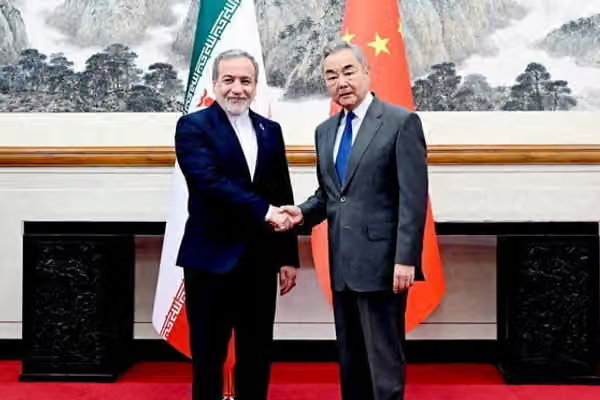
China is showing growing unease over the economic and strategic costs of Iran’s confrontation with the United States, even as it continues to shield Tehran diplomatically at the United Nations.

President Trump’s visit to Beijing appears to have confirmed two things about China’s approach to the Iran crisis: it is willing to help prevent further escalation, but not at Tehran’s expense.

The relationship between the Taliban and Iran, once marked by military confrontation and nearly pushed to war, is now defined by caution and quiet engagement.

As tensions escalate in the Middle East, critics say Canada’s “values-based realism” has left Ottawa a passive observer rather than an influential middle power confronting Iran’s threats and regional crises.

Iran’s water crisis is not only about scarcity or drought. It is also about where the Islamic Republic chooses to spend the country’s money, and what it leaves unfunded at home.

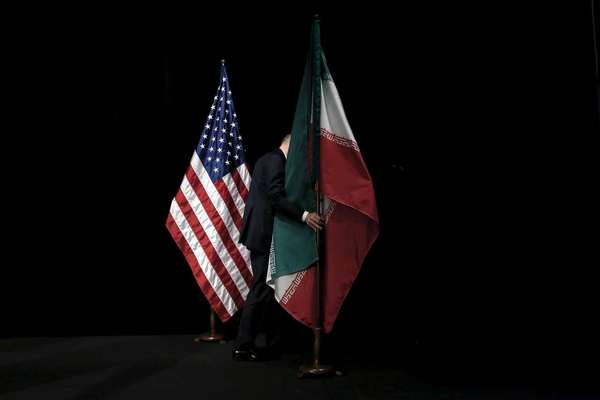
Deep-rooted mistrust continues to stand in the way of any meaningful thaw between Iran and the United States despite renewed diplomacy after weeks of war.

Iran’s foreign trade has suffered a sharp contraction in the first month of war with the United States and Israel, newly released customs data show, signaling a severe blow to the country’s already fragile economy.