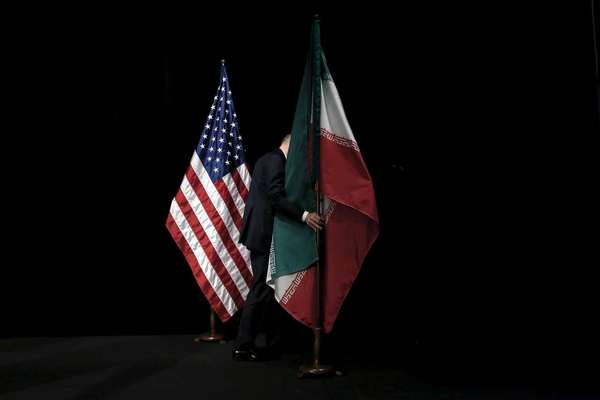
Iran says US must meet its demands before Hormuz reopens
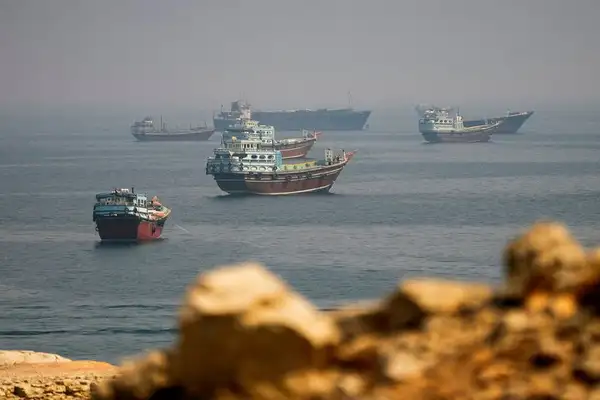
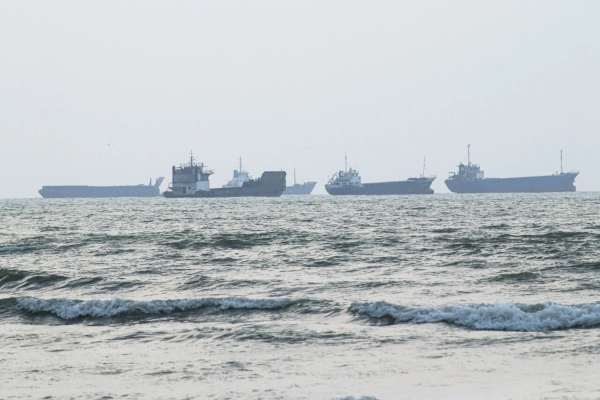
Iran says the Strait of Hormuz will not reopen until the United States meets its conditions, even as Tehran and Oman move closer to an agreement on a temporary shipping route.

Iran says the Strait of Hormuz will not reopen until the United States meets its conditions, even as Tehran and Oman move closer to an agreement on a temporary shipping route.

The United States imposed fresh sanctions targeting Iran’s financial networks Friday even as US officials said progress had been made toward a deal with Tehran over the Strait of Hormuz and it could be clinched as early as the weekend.
Saudi Arabia, Turkey and Pakistan signed a mutual defense pact in Mecca on Friday that never once named a threat, and within hours Iranian officials and clerics had named it for them, mocking the agreement and promising that "the roar of our missiles" will reach its signatories.
A return to the pre-war status quo between Iran and the United States now appears out of reach for both sides, despite their competing claims of victory.

Prospects for reopening the Strait of Hormuz remained uncertain Tuesday as Washington said an agreement could come by Wednesday, while Tehran linked normal shipping to transit fees, sanctions relief, security guarantees and an end to the US naval blockade.

Iran is exploring using two of Pakistan’s ports to keep trade moving amid the US blockade of its own ports, a senior Iranian official said on Tuesday.

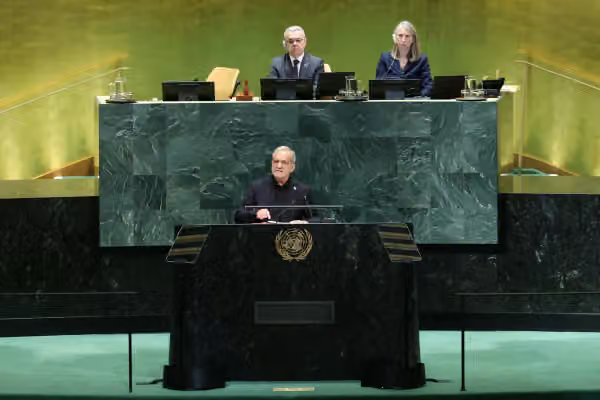
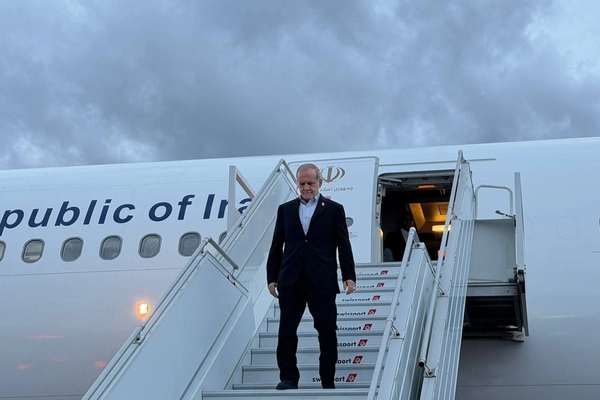
Iranian President Masoud Pezeshkian was taken to a secret Tehran location and allowed only minutes in a dark, tinted-window car with a man presented as Supreme Leader Mojtaba Khamenei, sources familiar with the episode told Iran International.

The US Army has used "virtually all" of its ATACMS and Precision Strike Missile supplies during the five-month war with Iran, two sources familiar with the data told Reuters.

Tehran sustained the heaviest damage of any Iranian province during the 40-day conflict with US and Israel, with more than 50,000 homes damaged and the capital accounting for 650 reported strikes, according to a municipal report published on Monday.

Saudi Aramco is routing crude around the Strait of Hormuz via its East-West pipeline as the Iran-related crisis has cut shipping through the strait to a tenth of pre-conflict levels, Chief Executive Amin Nasser said on Tuesday.

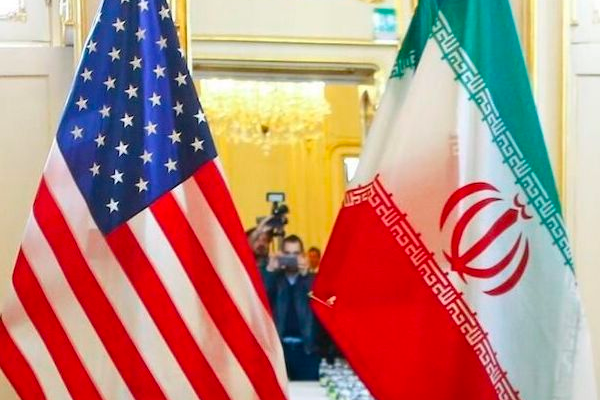
Prospects for renewed US-Iran diplomacy remained uncertain on Monday as Washington and Tehran offered sharply different accounts of whether negotiations had already begun.

Diplomatic efforts to reopen the Strait of Hormuz accelerated on Sunday after US President Donald Trump called off a planned attack on Iran, with Tehran saying negotiations with Oman were nearing completion and mediators outlining a proposal to revive US-Iran talks.

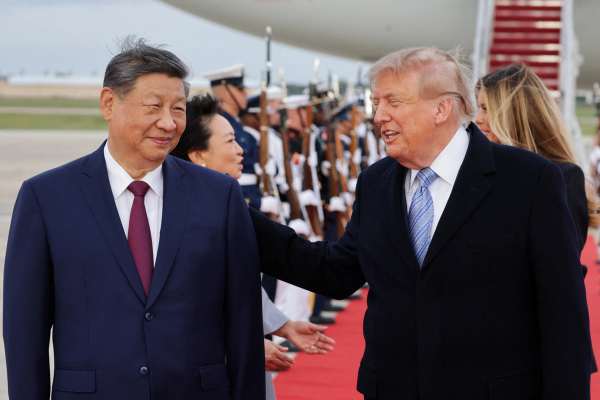
Xi Jinping’s promise to Donald Trump that China would not arm Iran is being tested by Tehran’s alleged pursuit of Chinese MANPADS, relatively cheap weapons that could make future US and Israeli air campaigns more dangerous and expensive.

The Trump administration on Friday outlined military and financial measures against Tehran alongside negotiations that President Donald Trump said were being undermined by Iran’s conduct.

A dual British and Azerbaijani national has been arrested in Cyprus on suspicion of carrying out hostile surveillance for Iran's Islamic Revolutionary Guard Corps (IRGC), in the first overseas investigation under Britain's National Security Act.

The United States has offered a reward of up to $15 million for information that disrupts the financial mechanisms of Iran's Revolutionary Guards (IRGC), focusing on a company Washington says plays a key role in producing drones used by Tehran and its regional allies.

Iran's ballistic missile strike on US forces in Jordan and its seizure of three oil tankers in the Strait of Hormuz have dealt a fresh blow to efforts to preserve last month's Iran-US understanding.

Israel wants to intensify economic pressure on Iran while preserving the threat of military action, a senior Israeli official said after Prime Minister Benjamin Netanyahu's meeting with US President Donald Trump.

President Donald Trump's repeated vow to "finish the job" in Iran appears to extend well beyond Tehran's nuclear program, according to experts, pointing instead to a broader plan to permanently weaken its military power, regional reach, and potentially its hold on power.

The United States on Wednesday imposed sanctions on ten companies and eight tankers linked to Iran's oil trade as Tehran said it had stopped three commercial vessels in the Strait of Hormuz, underscoring the ongoing battle over the strategic waterway.

US-Saudi strikes on Iran-backed forces in Iraq hours after the Revolutionary Guards launched missiles at a US base in Jordan signaled a sharp widening of the conflict, despite continuing indirect contacts between Washington and Tehran.

A newspaper close to Mohammad Bagher Ghalibaf, Iran's chief negotiator with Washington, is asking whether China quietly neutralized Tehran's most feared economic weapon: the oil shock through the Strait of Hormuz that never came.