As US talks stall, Iran moderates warn of renewed unrest
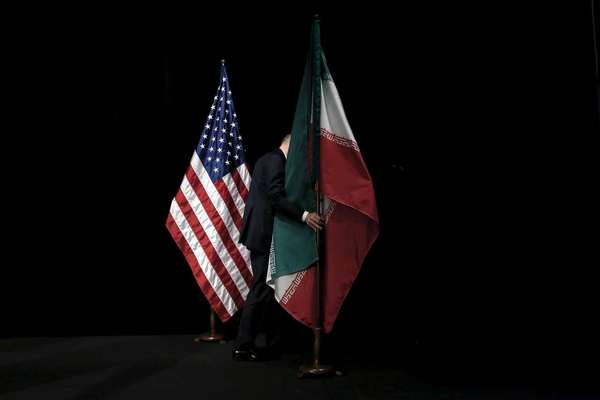
As indirect contacts between Tehran and Washington continue and regional actors push to keep negotiations alive, competing signals continue to emerge from Iran's political establishment.

As indirect contacts between Tehran and Washington continue and regional actors push to keep negotiations alive, competing signals continue to emerge from Iran's political establishment.

Lebanon has emerged as a key obstacle to negotiations between Tehran and Washington, as Israel says it will continue striking Hezbollah and Iran insists that any ceasefire must apply across the region.
As Tehran reviews US proposals and influential figures increasingly speak openly in favor of negotiations, developments on the ground are pulling Iran and the United States in the opposite direction.
By suspending talks with Washington over Israel's campaign in Lebanon, Tehran has raised the stakes of postwar diplomacy and posed a critical question: is it successfully increasing its leverage, or overplaying its hand?

Despite continued uncertainty over the outcome of the Iran-US talks, signs that some Iranians are positioning for a possible diplomatic breakthrough are emerging in markets, public debate and government-linked circles.

The Iran war left the Islamic Republic weaker than it had been in years. The question now is whether Washington will turn that weakness into leverage – or give Tehran room to recover through a new deal.

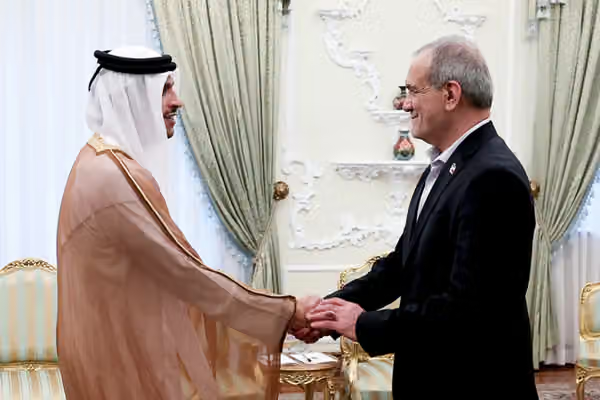
The recent high-stakes visit of a senior Iranian delegation to Doha, led by Parliament Speaker Mohammad Bagher Ghalibaf, has ended in a major diplomatic setback for Tehran, an informed source with knowledge of the negotiations told Iran International.

As Washington says a deal with Tehran is drawing closer, Iran’s supreme leader on Tuesday echoed his slain father’s call for Israel’s destruction while Hezbollah intensified drone attacks on northern Israel, raising questions over the timing.

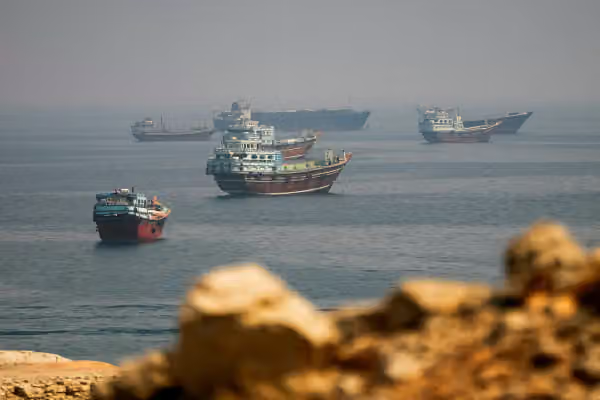
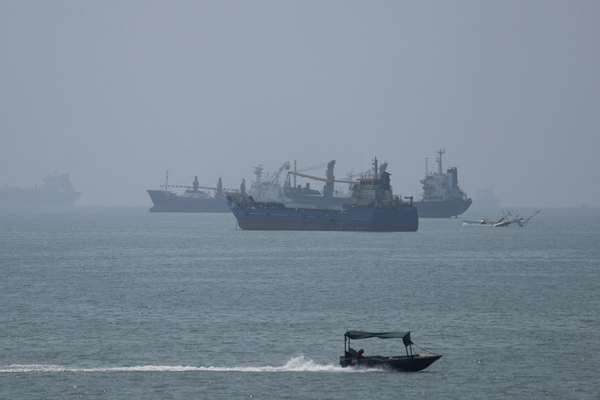
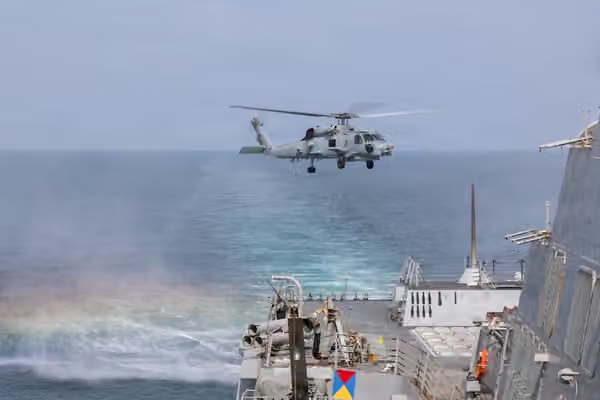
More than six weeks after Iran disrupted shipping through the Strait of Hormuz and the United States moved to enforce a naval blockade, the confrontation increasingly appears to be entering a new phase: negotiations driven by exhaustion.

The release of frozen Iranian assets has emerged as the main sticking point in talks between Iran and the United States, with officials in Tehran insisting that guaranteed access to funds must come before any preliminary agreement can move forward.

US President Trump’s approach toward Iran may better be explained by the political timing of the World Cup and the culture of New York real estate dealmaking: performance, delay, leverage and spectacle.

Talk of a possible agreement between Tehran and Washington has intensified political attacks on parliament speaker Mohammad Bagher Ghalibaf, a central figure in Iran’s diplomatic push and a politician widely seen as backing a more pragmatic approach to negotiations.

Iranian negotiators are demanding the immediate release of $12 billion in frozen assets held in Qatar as a precondition for advancing talks with the United States, an informed source with direct knowledge of the negotiations told Iran International.

Iran and the United States appeared to move closer Saturday to a framework to end the war and reopen the Strait of Hormuz, after President Donald Trump said an agreement had been largely negotiated and regional leaders urged Washington to accept a deal.

Hope for a limited US-Iran agreement gained momentum Friday as regional mediators intensified efforts to stabilize the ceasefire, but the fragile diplomacy faced hostility from Iranian hardliners who cast negotiations as a prelude to renewed conflict.

Pakistani top general Asim Munir’s trip to Tehran has fueled speculation about a possible temporary Iran-US agreement to end the war and resume broader talks, although Tehran says the high-profile visit does not necessarily mean a deal is close.

Even as Tehran engages in hardheaded diplomatic maneuvering with Washington, it is advancing a parliamentary proposal offering a €50 million reward for President Trump’s killing.

The competing narratives surrounding the latest US-Iran standoff have become so stark that even basic questions—who is deterring whom, who wants talks and who fears escalation—now produce entirely different answers depending on which capital is speaking.

US President Donald Trump said Monday he had halted a strike on Iran planned for Tuesday after Arab states including Tehran’s new foe the UAE urged him to allow more time for talks, even as reports said Tehran’s latest proposal had fallen short of US expectations.

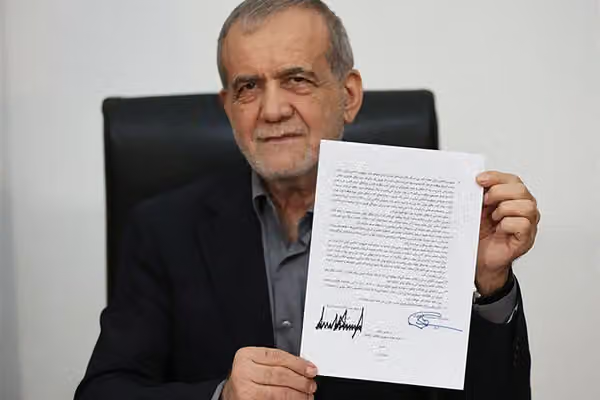
Iran’s president on Monday defended negotiations with the United States as he acknowledged the economic pressure, fuel shortages and war damage facing the country, pushing back against hardliners who oppose further dialogue.

China is showing growing unease over the economic and strategic costs of Iran’s confrontation with the United States, even as it continues to shield Tehran diplomatically at the United Nations.

Tehran media coverage of the impasse with Washington following President Donald Trump’s visit to China points to growing frustration, with many insiders voicing concern that diplomacy has stalled and more confrontation may lie ahead.